
By Rob from The Swimming Pond Shop
Keeping your natural swimming pond clear and healthy isn’t about chemicals — it’s about understanding the biology of your water. One of the simplest and most effective ways to stay ahead of problems is regular water testing.
Testing helps you spot nutrient imbalances early, prevent algae blooms, and keep your pond safe and enjoyable for swimming throughout the year.
In this guide, we explain what to test, how often to test it, and why it matters, using simple tools available from The Swimming Pond Shop.
Unlike traditional swimming pools, natural swimming ponds rely on biological balance rather than chemical treatment. When that balance shifts, early warning signs often appear in your water chemistry before you see visible problems.
Regular testing helps you:
Think of water testing as a routine health check for your pond ecosystem.
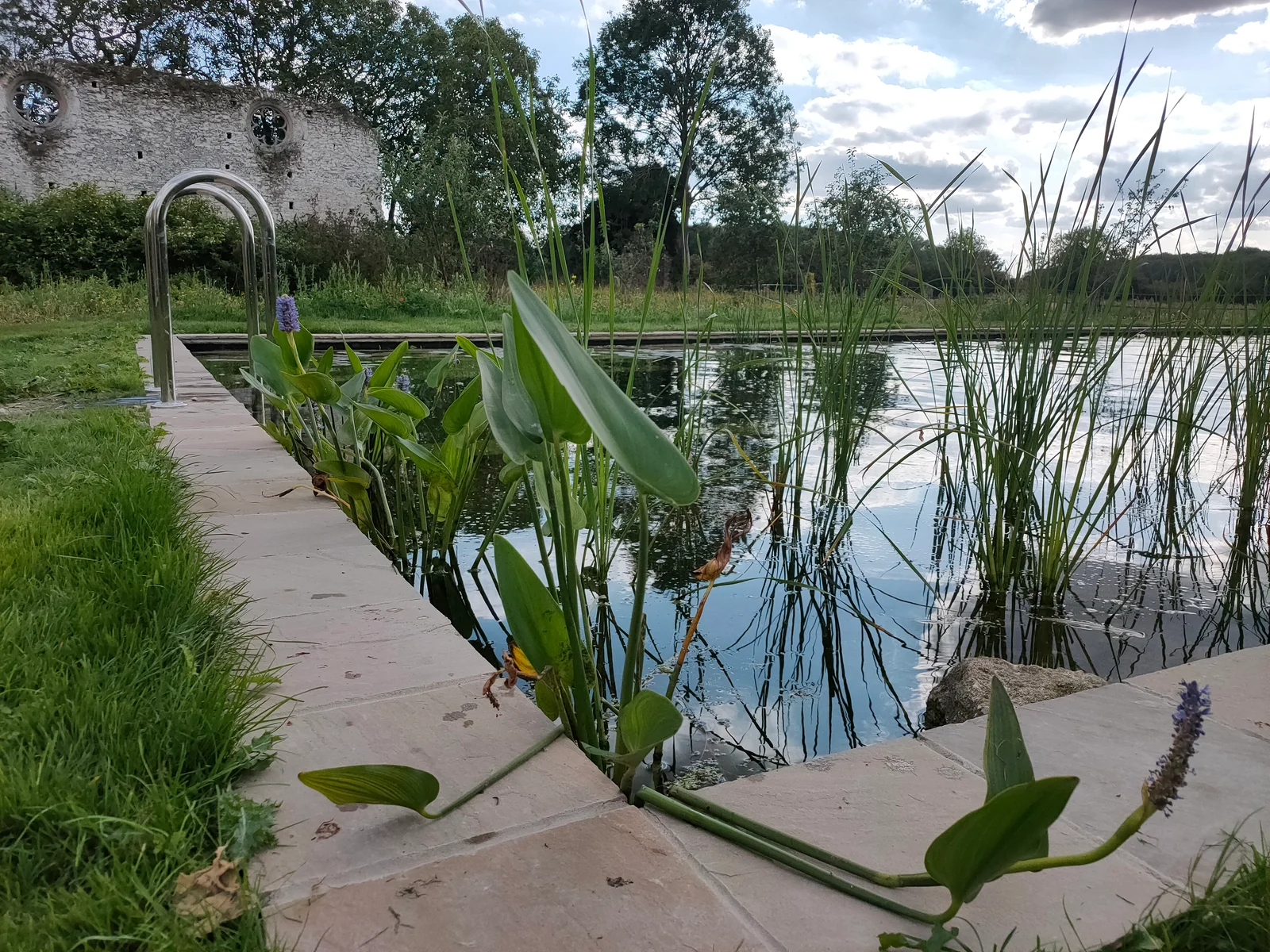
The Most Important Parameter to Test: Phosphate
If there’s one test every swimming pond owner should carry out regularly, it’s phosphate testing.
Phosphate is the primary nutrient that fuels algae growth. Even small increases can quickly lead to cloudy water or blanket weed problems.
Sources of phosphate include:
Keeping phosphate levels below 0.035 mg/L dramatically reduces algae risk.
Using a digital tester such as the Hanna phosphate checker makes monitoring quick and accurate.
Other Useful Water Parameters to Monitor
While phosphate is the most critical reading, a few additional checks can help maintain long-term balance.
Water Clarity
Cloudy water can indicate:
Visual monitoring is often your first indicator that testing is needed.
Testing frequency depends on the season and how established your pond is.
Test monthly as temperatures rise and biological activity increases.
This is the most important time to check phosphate levels before algae growth begins.
Test every 2–4 weeks, especially during warm weather and periods of heavy pond use.
Higher temperatures increase biological activity and nutrient cycling.
Test occasionally while removing leaves and debris.
This helps prevent nutrient build-up over winter.
Minimal testing is usually required unless water quality concerns appear.
Focus instead on removing debris and maintaining circulation where appropriate.
When to Test More Frequently
Increase testing if you notice:
These conditions can quickly change nutrient levels.
Testing your swimming pond water doesn’t need to be complicated. A simple routine — especially monitoring phosphate levels — can prevent most common water quality problems before they begin.
With the right testing tools and a basic understanding of your pond’s biology, you can enjoy clear, healthy swimming water throughout the year.
At The Swimming Pond Shop, we focus exclusively on swimming ponds. Every product we offer has been selected based on real-world experience, performance, and compatibility with natural swimming systems.
Whether you’re building, upgrading, or maintaining a swimming pond, having the right products makes all the difference.